CETL Fall 2026 Programming Preview
We at CETL are excited for another year of connecting with UM instructors to facilitate honest and useful conversations about teaching.
Welcome back! We at CETL are excited for another year of connecting with UM instructors to facilitate honest and useful conversations about teaching. When we sat down over the summer to assess the needs of our campus, we thought a lot about difficulties around student engagement and the challenges presented by recent technological advances. Our programming this fall is designed to take us back to basics, refocusing on the foundations of student success in 2026. Here are a few of the offerings you can take advantage of this semester:
Welcome Week Workshops
We’ll begin the term with some support for instructors who are working hard to prepare their fall courses. Our kickoff event is a virtual workshop on “Ten UDL Moves to Improve Your Semester,” which features ideas on how to use Universal Design for Learning to create a smoother learning experience for students and instructors alike.
Later in the week, we’ll feature two virtual workshops on course and syllabus design. Our “Syllabus Bootcamp” session will re-share CETL’s syllabus template (which has undergone a few changes since we first introduced it in 2023) and provide time for instructors to work on improving their syllabus language together. A session on “Course Design: What Do You Want Your Students to Remember in 20 Years?” will ask attendees to step out of the weeds of learning outcomes and assignments for a moment to think more holistically about how we want our students to be different as a result of taking our courses.
We’re also excited to offer two sessions on a new tech tool for instructors. The University of Mississippi has recently contracted for a one-year subscription to Poll Everywhere, and the tool is now integrated in Blackboard with unlimited use for faculty and students. Our workshop on “Using Poll Everywhere for Student Engagement and Attendance” will demonstrate some helpful ways to use polling for classes of any size, in any discipline.
Student Success
One of our goals for the fall is to take a holistic look at all the factors that contribute to student success. To that end, we’re excited to welcome guest speaker David Gooblar, author of the recent book One Classroom at a Time, for a talk on “What Better Teaching Can Do.” Dr. Gooblar’s session will present both educational research and practical teaching strategies designed to help instructors respond to the needs of all students, particularly our most vulnerable ones.
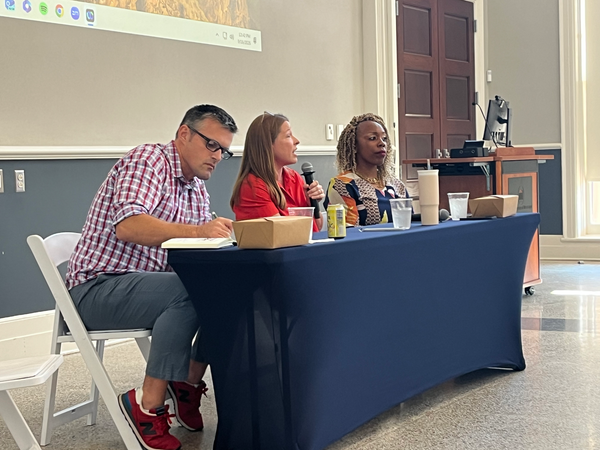
We’ll also spend some time thinking about how students’ previous educational experiences can affect their college careers. In September, CETL Senior Director Josh Eyler will convene a panel of experts from UM’s own School of Education to explore “The K-12 Landscape and College Student Preparation.” Panelists will discuss what’s happening in the K-12 world right now and how this knowledge might help us as college teachers.
This year’s Faculty Reading Group selection will take a similarly broad perspective on student engagement. 10 to 25: The Science of Motivating Young People, by David Yeager, is intended to help readers “imagine a world in which Gen Xers, millennials, and boomers interact with young people in ways that leave them feeling inspired, enthusiastic, and ready to contribute—rather than disengaged, outraged, or overwhelmed.” We’re looking forward to diving into this new book with faculty.
Using, and Not Using, AI
Almost four years after the initial release of ChatGPT, instructors are still grappling with how best to approach generative AI in their teaching. This semester, we’ve planned two workshops to explore the evolving landscape:
First, we’ll gather faculty and staff for a community conversation on “The Ethics of Using AI as Instructors.” We’ll discuss whether, and how, to employ AI assistance in designing courses and assessments, planning lessons, and even grading and giving student feedback. Our aim is to help attendees develop a better sense of their own boundaries around AI use and to create a starting point for larger conversations about AI and ethics within departments, schools, and the university as a whole.
Second, we’ll explore “Effective and Compassionate Strategies for Low- (and No-) Tech Assessments.” We know that many instructors are interested in moving to oral exams or in-class writing to ensure their students are learning. But these assessments can be tricky to implement effectively. In this session, we’ll share research on low- and no-tech assessments and introduce novel strategies for implementation—including some recently employed by actual UM faculty.
We’re also excited to attend additional AI sessions led by our colleagues in the Academic Innovations Group—stay tuned for more information about those offerings.
Back to Basics
In addition to considering “back to basics” assessments, we’ll also think about how to reimagine some basic pedagogical approaches for a new generation of students. Our first workshop of the semester will explore the topic of “Facilitating Effective Classroom Discussions: A Tried-and-True Way to Maximize Student Learning and Engagement.” Discussion-based pedagogy is powerful but difficult to get right. This workshop will cover different ways to structure a discussion, how and why to communicate our expectations for the importance of discussion, and what we are hearing from students about the obstacles that impede their participation in discussions.
We’re also convening a learning community around a topic that many instructors are talking about these days: student reading. The Student Reading Learning Community will meet once a month over the course of the academic year to explore research on student reading, gather information about the reading practices of UM undergraduates, and help to inform future CETL programming on this topic. The learning community is open to anyone at the University of Mississippi (students/faculty/staff at any rank) who is interested in addressing reading challenges.
Finally, we’ll spend some time this semester thinking about how best to support students with disabilities. In a session on “Answering Your Most Pressing Disability/Accessibility Questions,” we’ll review data from a recent international survey to consider the most common points of confusion instructors encounter in fulfilling accommodations requests. We’ll try to provide clarity on the accommodations process, how the most common accommodations work to support students, and specific course design strategies that can create less access friction for all students.
Support for Graduate TAs and Instructors
Last but certainly not least: we’ll continue to provide support for graduate students in any teaching role, from tutor or TA to instructor of record.
In addition to our annual Graduate Teaching Orientation, we’ll also facilitate Fundamentals of Teaching, a learning community for graduate students who are interested in honing their teaching skills. We’ll discuss topics like building community, facilitating active learning, grading student work, and more. This year, the Fundamentals community will meet on selected Thursdays from 9:30-10:45.
We’ll also sponsor a Graduate Reading Group, which will tackle David Gooblar’s One Classroom at a Time. The Reading Group convenes on selected Fridays at noon, and this year, members of the group will also have a chance to meet with the author for breakfast on Wednesday, September 23.
CETL’s graduate programming this year will be supported by three new Graduate Teaching Fellows: Alejandro Garcia, Samuel Junior Osei-Nketiah, and Anna Platt. (Be on the lookout for a future post introducing our fellows!)
___
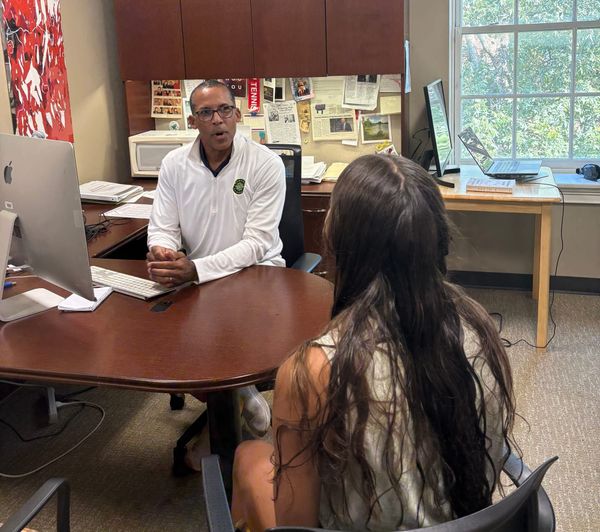
In addition to the programming above, we’ll continue to offer services to individual instructors, like teaching consultations, classroom observations, and student feedback sessions. CETL liaisons will also continue to work with individual departments on any teaching and learning initiatives for which they might want support.
We hope that no matter who you are, what you teach, or where you’re at in your teaching journey, you’ll find something in CETL’s fall lineup that can help make your work a little easier. If you’re a member of the UM community, you can view our full events calendar, and register to attend, on our website.