Recap: The K-12 Landscape and College Student Preparation
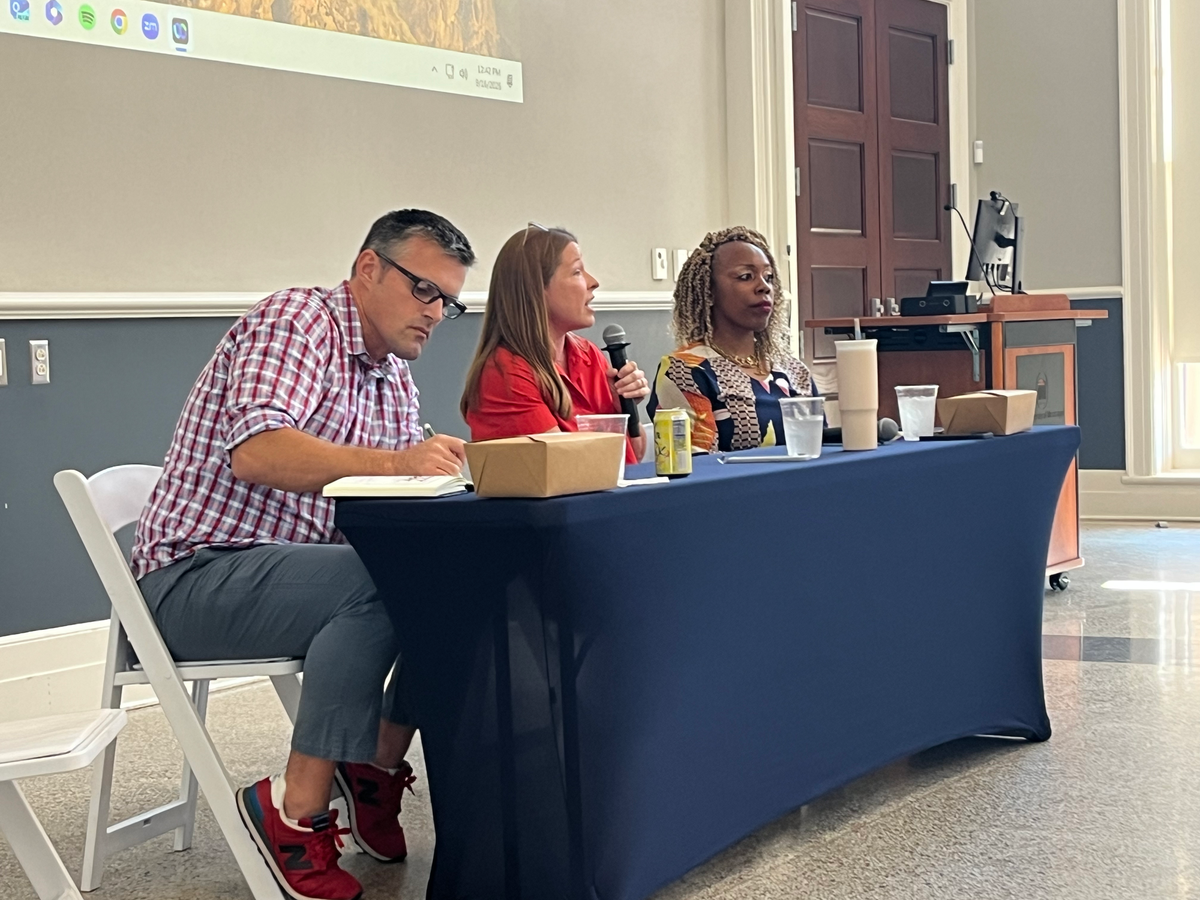
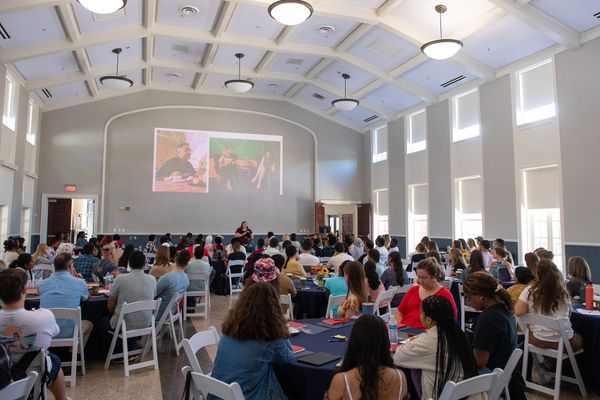
On Wednesday, September 16, CETL hosted a panel on “The K-12 Landscape and College Student Preparation,” moderated by our Senior Director Dr. Josh Eyler. Panelists Dr. Joel Amidon, Dr. Nicole Roberson, and Dr. Candies Winfun-Cook were asked what a college student in 2026 might be like, how this student's education might impact their ability to succeed in the higher education setting, and how we might best serve these students. Each had great insights about the realities of K-12 education in Mississippi, and there seemed to be three main areas which our panelists agreed were impacting student achievement in high ed.
First, technology. Dr. Winfun-Cook noted that a traditional college freshman has had access to a screen since birth, and that you or I could walk into nearly any public school classroom in Mississippi right now and see students using technology. As a former K-12 teacher in Mississippi public schools, I can confirm this statement. Dr. Roberson noted that much of this technology is used collaboratively and presents opportunities for more targeted instruction in many schools. Dr. Amidon noted that many of our students have never had or considered analog education and that it might be beneficial to explain our thought process behind our technology policies in the classroom. We should tell them, one of our panelists noted, “to be where their feet are.”
But what underscored their responses to me was the idea that students might have always experienced learning as mediated via technology. Our panelists noted that our students might be less familiar with analog learning than we anticipate, and that instructors might respond by outlining clear expectations of how learning should be approached in their courses. Of course, what these expectations might entail will vary by discipline. But instructors should be aware of student’s relationships and experiences with technology and consider how it may impact the way students have, until this point, accessed their learning.
The second reality of our student’s K-12 experience that each panelist mentioned was attention span. Students are used to consuming almost entirely short form content, pick up their phones an average of 80 times per day, and often struggle to maintain focus for extended periods of time. This effect is certainly compounded by the prevalence of standardized testing in public K-12 environments, which discourages sustained reading and removes opportunities for project- or process-based assessments that are so often assigned in college classrooms.
Given this reality, students need support in order to focus effectively, in sustained ways, on the course content. This, our panelists offered, could include short brain breaks; chunking time which requires sustained focus into smaller, more manageable intervals; and switching between activities often. Active learning interventions can be a great way to combat shorter attention spans (and CETL is always here to help you design activities which might allow your students to best access course content!)
Third, many students have negative associations with course content which might impact their self confidence in the higher education setting. Dr. Amidon mentioned that nearly all of his AP calculus students have a negative relationship to mathematics generally. As a TA in the English department, I can say the same for many of the students who enter my classroom. Our students are used to short form content, have come from environments where standardized testing is prioritized, and are often intimidated by areas of study in which they perceive themselves to be insufficient. But the college classroom presents an opportunity for the amelioration of our students’ relationship to learning: it moves students, as one panelist noted, away from the model of learning to achieve a certain grade or score and towards the model of education for its own sake. Giving good feedback and encouragement might help bridge this gap for our students. By bringing passion into the classroom, and by structuring design with our students’ K-12 experiences in mind, we might be able to nurture an excitement for learning that may have been absent from some of their highly standardized K-12 experiences.
Thanks to each of our School of Education panelists for sharing their insights! We look forward to learning more from our K-12 colleagues about how we can best serve current college students. We hope you can join us at other CETL events this semester to continue the conversation.